

Iraqi Prime Minister Ali Falih al-Zaidi’s visit to the United States led to the signing of 48 agreements and memoranda of understanding between Iraqi institutions and US companies.
The deals cover several sectors, including oil, gas, electricity, telecommunications, technology, agriculture, healthcare and education.
The total value of the agreements announced during the visit was reported to be more than $60 billion.
Iraq’s Oil Minister Basim Mohammed later said that the long-term value of the energy deals could reach around $200 billion. The difference between the two figures has not yet been clearly explained.
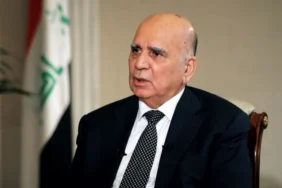


Energy was the main focus of the visit. Iraq’s Oil and Electricity ministries signed agreements with major companies such as ExxonMobil, Shell, Halliburton, KBR and GE Vernova.
The deals include plans to increase oil production, develop gas fields, improve electricity infrastructure and bring more foreign investment into Iraq’s energy sector.
Chevron also signed agreements related to Iraqi oilfields, including West Qurna-2 and Nasiriyah. Another plan aims to create new export routes for Iraqi oil and reduce the country’s dependence on the Strait of Hormuz.
There were also talks about rebuilding an oil pipeline between Iraq and Syria, which could carry Iraqi oil to the Mediterranean coast and connect it with Türkiye’s Ceyhan terminal.
ConocoPhillips agreed to buy a 42 percent stake in BP Energy of Kirkuk Limited. The company is expected to take part in the development of several oilfields in Kirkuk.
In the telecommunications sector, Iraq’s Communications and Media Commission signed an agreement with Starlink to provide satellite internet services in the country.
Other agreements covered technology, industry, agriculture, food production, medicine, healthcare and education.
However, many of the agreements are still preliminary. Their final value and implementation will depend on future negotiations, funding and investment decisions.









Comments are closed.